
The best camera phones take photos and video that rival traditional cameras – these are the top smartphone shooters
It is very necessary to have an excellent camera phone if you want to take lovely pictures wherever you are and at any time. Because, certainly, not all people are capable of carrying a big DSLR with them all the time. I am a big fan of a good camera phone simply because of its sheer convenience. While the technological advancements keep coming, the top camera phones are packed with powerful image sensors, jaw, dropping features, and the capability to handle and even edit images with a mere tap of a finger.
With all that advanced technology, choosing the right phone can be quite a challenge. Here is the place where I come in. At DCW, we have done the hands, on testing of all these camera phones, so you can be certain that I am the one who knows the camera phones that make the best photos. And being a photographer myself, I really have the knack of differentiating a good photo from a bad one.
My top choice for both photos and videos would be the Apple iPhone 16 Pro Max that delivers amazing quality and is very user, friendly by nature, so if you want to get right into it, that’s the one. If you are only into photography, then the Google Pixel 9 Pro / 9 Pro XL would be my recommendation as I adore their cameras and AI, powered photo editing capabilities.
At the end of the day, this guide comprises the best picks from all the different brands, but in case you are a staunch supporter of Apple or an ardent fan of Android, you may want to consider checking out my best iPhone or best Android phone for photography guides instead.
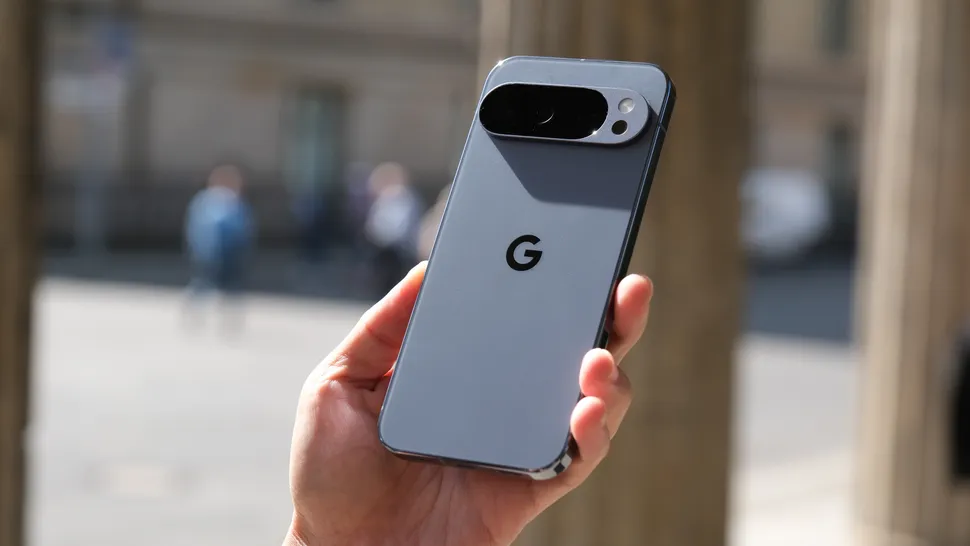
1. Google Pixel 10 Pro XL / Pixel 10 Pro (The best phone for photography)
The best phone(s) for photography
| Feature / Aspect | Details |
|---|---|
| Rear Cameras | 50MP Wide, 48MP Ultrawide, 48MP Telephoto (5x) |
| Front Camera | 42MP |
| Screen Size | 6.8″ (Pro XL), 6.3″ (Pro) |
| Storage Options | 128GB, 256GB, 512GB, 1TB |
| Reasons to Buy | Excellent camera performance on all three lenses; Super Actua screen is stunning; Premium design that feels great in the hand |
| Reasons to Avoid | Battery is decent, but can’t keep up with rivals; Video performance lags behind the competition |





Once more, Google has dropped its premier product in two variants size, wise but has also put the same camera configuration and other specs on both the smaller and the bigger version of the phone. So there are no compromises to be made between the two, you only have to figure out whether a 6.3, inch Pixel 10 Pro or 6.8, inch Pixel 10 Pro XL display fits your hands and pockets more.
The Pixel 10 Pro have a very slight camera upgrade compared to the previous year’s models, with the same three sensors in the rear. However, it doesn’t really matter because just as the Pixel 9 Pro was our best camera phone top, with the Pixel 10 Pro, Google is still keeping the good times going.
The cameras of the phones are of excellent standard and the most impressive feature is that these are the phones which are especially good at night, time photography. The difference Google is making is with its large and ever, expanding set of AI, enhanced modes. One of such modes is blur reduction which uses machine learning to unblur images and ‘Best Take’ which allows you to interchange the facial expressions of the people in the photo so that everyone looks their best. In addition, Google has come up with a new AI, assisted Pro Res Zoom that delivers extraordinarily sharp results far from the usual optical limits of the phone. If anybody wants to get a little more serious with photography, then the Pixel 10 Pro also has a RAW capture allowing you to take full advantage of the megapixel, packed sensor. Moreover, there is a new pro controls mode that gives you manual control over the appearance of your images just as you would with a mirrorless camera.
That said, the Pixel still falls short when compared directly to the iPhone 16 Pro Max in terms of video. However, Google has a nice little feature called Video Boost, which leverages cloud AI to brighten and clarify dark videos. It’s a nice touch, but definitely not a feature that would change my decision. Besides, the video boost doesn’t work for the ultra, wide camera.
The Pixel is the best looking one so far with a new gorgeous design that makes the sides and the screen flat. The display is stunning and very close to Apple’s best in terms of brightness and color. Besides, Google is also making its phones “future, proof” by providing software support for up to 7 years.
So, yes, you are getting a lot of value for your money here and also some peace of mind, as the Pixel series which has just increased in price, is still a great buy.
| Aspect | Description | Rating |
|---|---|---|
| Design | The Pixel 10 Pro is beautifully built, feels superb in the hand, and its display is a genuine standout feature. | 5 |
| Camera Performance | Still photography remains Google’s strongest suit, with reliable results time after time, now improved by a sharper 100x super-res zoom, the helpful camera coach, and powerful AI editing tools. | 5 |
| Phone Performance | The latest Tensor chip might not win benchmark races, but in daily use it feels smooth and responsive, with enough stamina from the battery to just about last a full day. | 3.5 |
| Value | Its a pricey phone, but with an excellent design, build, screen and triple camera setup, the Pixel 10 Pro offers value that goes head to head with Apple and Samsung. | 4 |
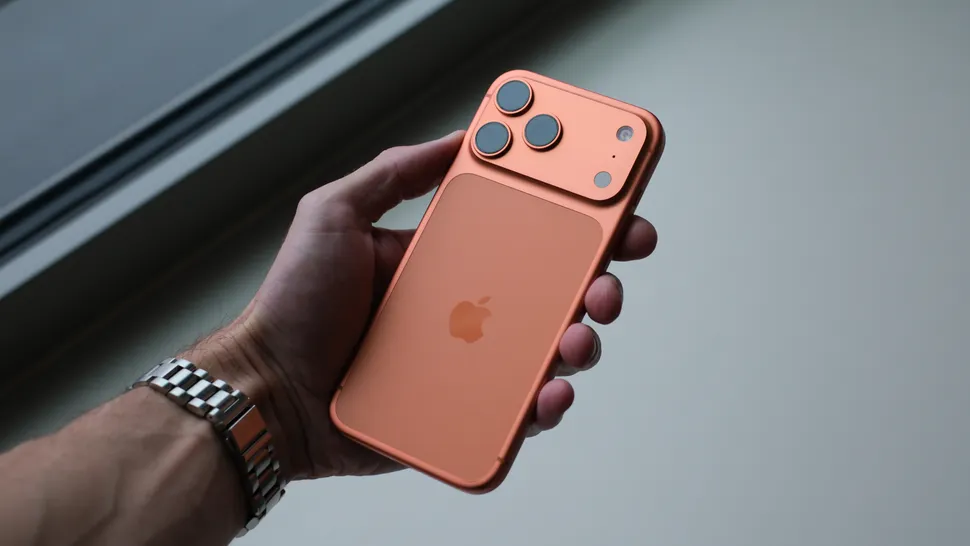
2. Apple iPhone 17 Pro / Pro Max (The best phone for video)
The best overall phone for video
| Feature / Aspect | Details |
|---|---|
| Rear Cameras | 48MP main, 48MP ultrawide, 48MP 4x telephoto |
| Front Camera | 12MP |
| Storage Options | 256GB, 512GB, 1TB |
| Reasons to Buy | Finally 48MP hybrid on all 3 main cameras; Content creators will love the storage options; Bright, anti-reflective screen |
| Reasons to Avoid | My fiancée says the orange color is “unappealing”; Bigger and heavier than the iPhone 16 Pro Max |




The iPhone 17 Pro series is Apples most powerful and capable camera phone in the entire history of their iPhone line. Even though the Pro Max screen is still quite large at 6.9, it is able to maintain 120Hz ProMotion and now the maximum brightness with around 3, 000 nits is reached together with an anti, reflective coating, thus the device becomes more user, friendly under direct sunlight. The A19 Pro chip onboard is combined with a vapour, chamber type cooling system in order to keep the performance at a high level and the battery life long, even if the device is heavily used.
The camera system is the headline upgrade: all three rear lenses (wide, ultra, wide, and telephoto) are now 48 MP sensors, and the telephoto now supports 4x optical zoom (and up to 8x hybrid). The phone now has the ability to cover a wider range of focal, lengths nearly 70, 200 mm equivalent the likes of which I have hardly seen in any previous iPhone. Significant changes have also been made to the front camera: an 18 MP Center Stage unit takes advantage of a bigger sensor and enhanced framing to make selfie and group photo capturing more simple.
By design, Apple has gone back to an aluminium unibody from titanium for the new iPhone, which makes it possible to have bright new colours (like Cosmic Orange) and a full, width camera plateau. Even though the device is a bit bigger/heavier than the iPhone of the previous year, it looks like the extra size is the result of the camera and battery enhancements.
If we talk about photography, the iPhone with a zoomed, in content creation will probably be the most powerful one in the history of iPhones. The changes to the screen brightness, camera versatility, battery life, and performance give off the vibe of an actual pro level upgrade.
| Aspect | Description | Rating |
|---|---|---|
| Features | This time Apple has got the cameras right (48MP x 3 + 18MP Center Stage) and the battery right (comfortably lasting all day). | 5 |
| Design | I can’t give all the stars because not everyone where I’m reviewing loves it, but I think it was about time we saw a new look for the iPhone. I just hope that the orange still looks good when comes time to trade in. | 4 |
| Performance | Imaging performance across the range is impressive, both in terms of detail and handling of light. | 5 |
| Value | The number of stars you see here depends a bit on your perception of iPhone, but I’d argue that the option to get everything in a single box could be more efficient than you expect (and I had braced for bigger price rises!). | 4 |
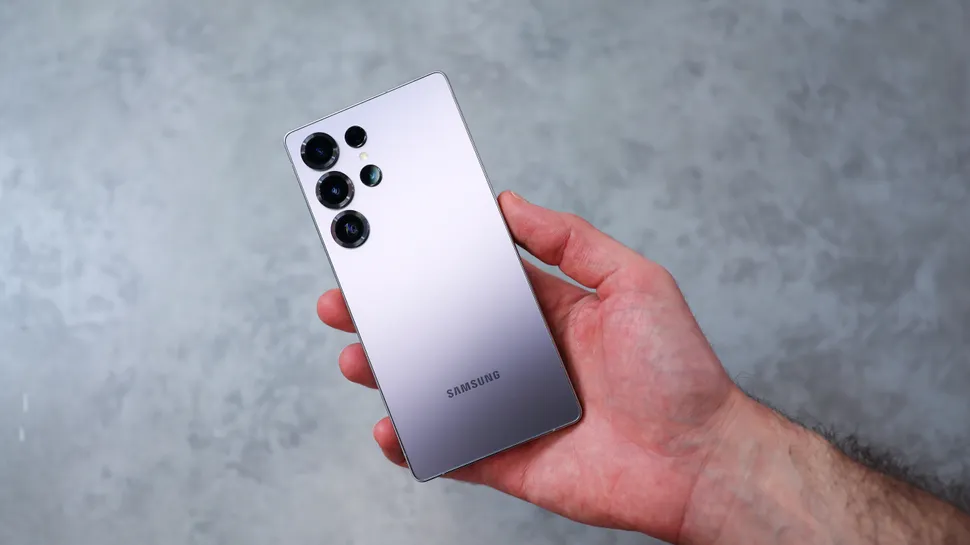
3. Samsung Galaxy S25 Ultra (The best phone for high resolution photos)
The best phone for high resolution photos
| Feature / Aspect | Details |
|---|---|
| Rear Cameras | 200MP main, 50MP ultrawide, 10MP telephoto (3x zoom), 50MP telephoto (5x zoom) |
| Front Camera | 12MP |
| Storage Options | 256GB, 512GB, 1TB |
| Reasons to Buy | Versatile camera system; 4K 60fps LOG capture; S Pen input; Excellent performance |
| Reasons to Avoid | Processing is hit or miss; Battery is good, not great; Very expensive; Feels bulky |



The Samsung Galaxy S25 Ultra is the most luxurious experience of any Samsung phone, starting from the performance of top, tier Qualcomm chip tuned by Samsung, the big stunning screen, and of course, that unique combination of five different cameras.
The S25 Ultra still manages to be one of the most balanced and feature, packed Android phone camera setups. But, if you have an S24 Ultra (or even S23 Ultra), there is hardly any camera hardware change that will make you decide to buy this new model immediately. I was expecting more significant changes in the camera hardware, but Samsung chose to keep four out of five the same sensors and only the ultra, wide to get an upgrade to 50MP.
Perhaps we have come to the limit of the hardware, as this is a similar approach to Apple, Google, and many other companies now, they refine a familiar and popular design and instead focus on camera software with a large number of AI features.
The S25 Ultra is a device that manages to produce photos and videos that are, for the most part, appealing, but I still think that Samsung’s image processing and color rendition are less natural when compared to Apple or Google, as they give a more processed look. Therefore, I would recommend that you look at some image samples before making a purchase. Still, with all the cameras and processing power in the background, the S25 Ultra cameras are not able to go beyond the limit of the competition that is getting tougher very fast. Phone cameras have never been better, and I prefer the photos from both Google and Apple’s cameras, at the same time, Chinese OEMs are achieving some fantastic camera tricks by using AI, and Samsung is not coming up with a solution for that.
The Samsung Galaxy S25 Ultra is yet another strong phone from the world’s largest phone manufacturer and another excellent addition to Samsung’s Galaxy S series. There is so much for a person who is already in the Samsung ecosystem to love, as it works very well with Samsung’s tablets, laptops, and watches but where Samsung used to be the Android phone to beat, it is definitely losing its crown.
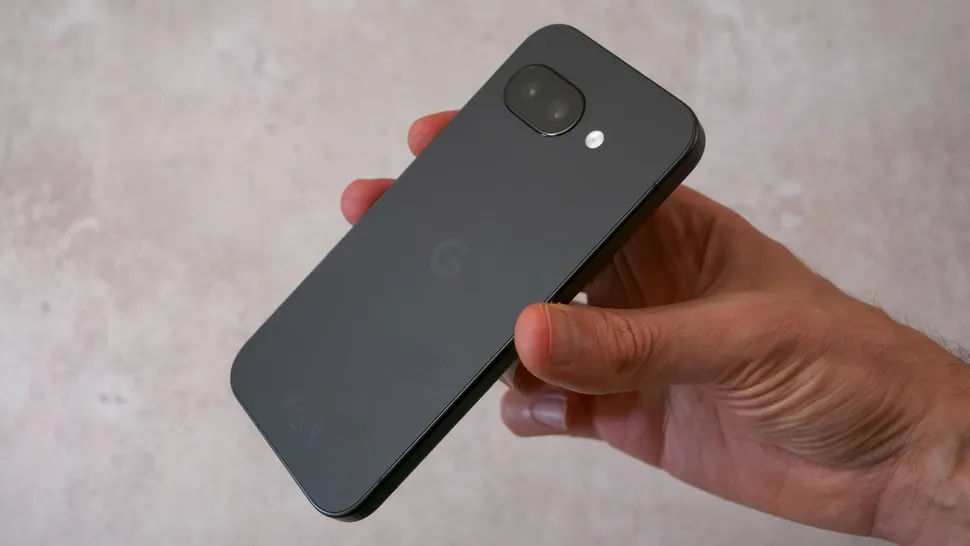
4. Google Pixel 9a (The best value camera phone)
The best for camera phone for affordability
| Feature / Aspect | Details |
|---|---|
| Rear Cameras | 48MP wide, 13MP ultrawide |
| Front Camera | 13MP |
| Storage Options | 128GB, 256GB |
| Reasons to Buy | Typically balanced photo processing; Macro focus is great; Wireless charging and long-lasting battery life; Excellent long-term software support |
| Reasons to Avoid | Weak ultra-wide camera, especially for video; Basic styling won’t be for all; Chunky bezels frame the screen; Can be slow to process photos |

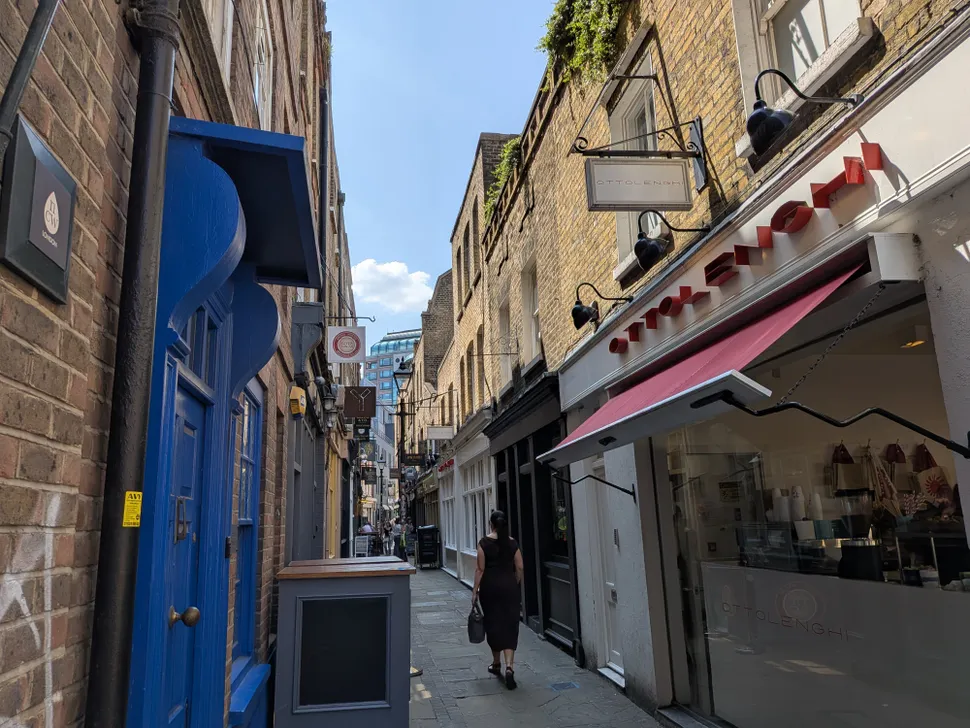
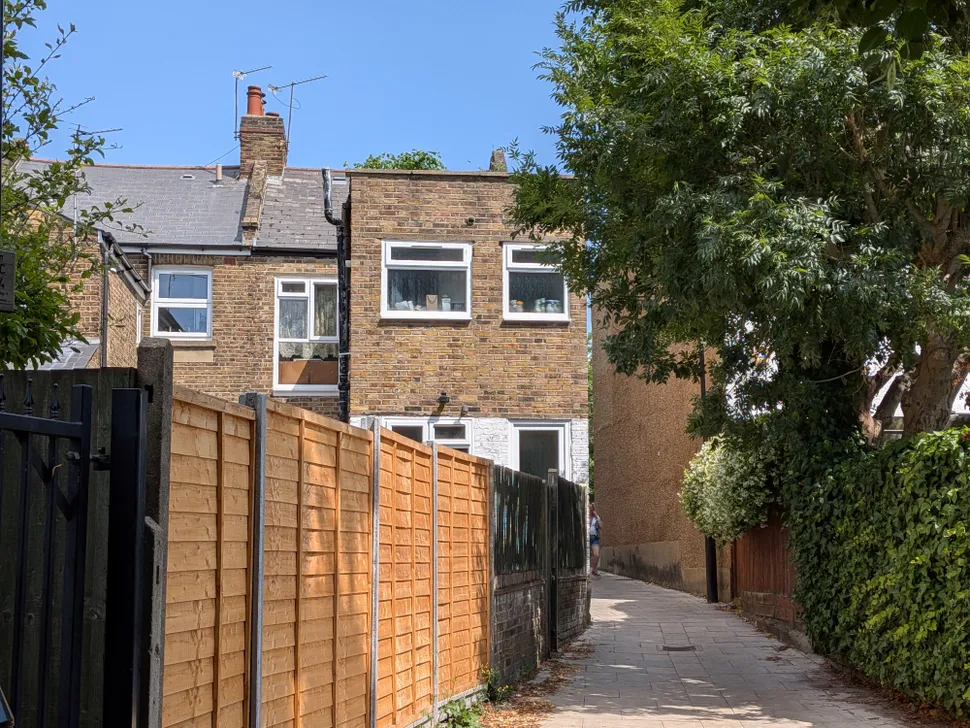


Just about everything that made the Pixel 9 a great product Tensor G4 chip, 7 years of updates, Circle, to, Search, and Gemini AI smarts Google has essentially removed from a lighter plastic shell that is being sold for almost half the price. The main 48 MP sensor is smaller than that of the Pixel 8a, however, by using clever optics the focus can now be locked as close as 8 cm, thus allowing you to fill the frame with food, flowers, or watch gears while the background remains soft as a dream. Under the sun, the 9as computational capabilities give out the standard Pixel look: high contrast, colors that can be trusted and highlights that are well controlled, with 23 sensor, crop zoom that is still very clean.
Night Sight will still make low, light images better, but if the subject is moving, it will be blurred, and each frame will take a couple of seconds to finish processingso, patience is absolutely necessary. The video reveals the limitations of the hardware more clearly: 4K is sharp in good lighting, but the ultrawide gets grainy after sunset, and there isnt a tele lens to help with.
Besides the cameras, the 9a is more than just average. The 120 Hz OLED can get up to 1, 800 nit in direct sunlight, stereo speakers are great, and the 5, 100mAh battery can easily last for a day and a half. Wireless charging, an IP68 rating, and Google’s unbeatable software roadmap are still quite rare under $500, which makes the Pixel 9a a device that you can keep for a long time after many of the mid, range rivals have stopped getting updates.
Yes, the bezels are quite wide and the matte plastic back wont be winning any style awards, but if you are looking for a camera that delivers point, and, shoot results reliably, have a usable macro, and are guaranteed longevity on a tight budget, then there is no other device that offers the same photographic bang for the buck.
5. OnePlus 15 (The best value flagship)
The best value flagship camera phone
| Feature / Aspect | Details |
|---|---|
| Rear Cameras | Main camera 50MP, Telephoto 50MP, Ultra-wide 50MP |
| Front Camera | 32MP |
| Storage Options | 256GB, 512GB |
| Reasons to Buy | Powerful performance; Battery life is excellent; Great design and color options; OxygenOS 16 is slick |
| Reasons to Avoid | Marginal camera improvements; Some HDR wobbles |




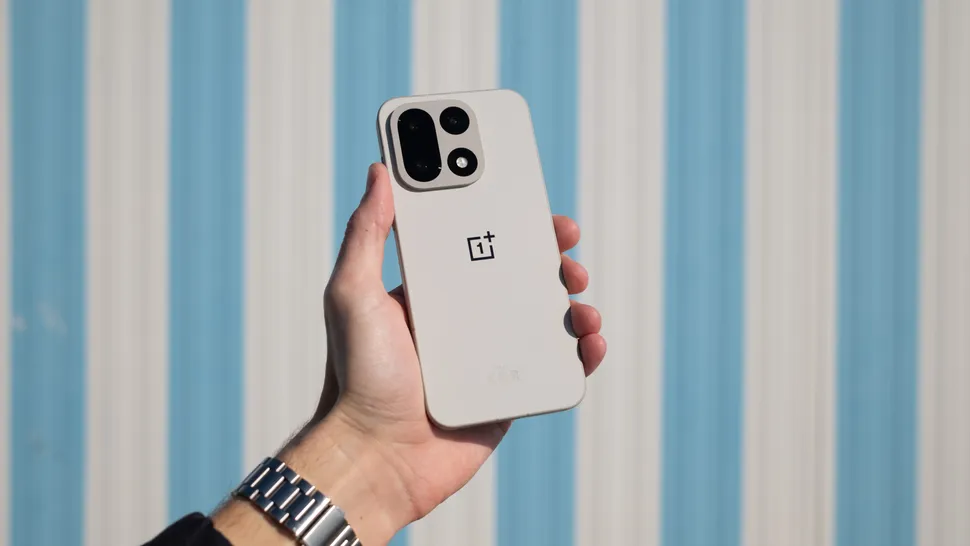
OnePlus 15, with its top, tier performance, a brand, new design, and excellent battery life, is among the most attractive flagship Android phones of the year. It is very powerful and efficient. The latest Snapdragon 8 Elite Gen 5 chip coupled with LPDDR5X Ultra+ RAM makes the device capable of handling any type of demanding app or gaming without breaking a sweat.
The 6.78, inch flat AMOLED display of the phone can go up to a 165 Hz refresh rate, which means it is very smooth and highly responsive whether you are just moving through the interface or playing a fast, paced game.
From a design perspective, OnePlus has changed the style of its previous generation “fun” textures to a more elegant look, what you will get are matte finishing like Sand Storm, Infinite Black, and Ultra Violet that are combined with a frosted glass or fiberglass back and a thin square camera island that not only makes the phone easier to hold but also keeps the camera lenses free from the fingerprints.
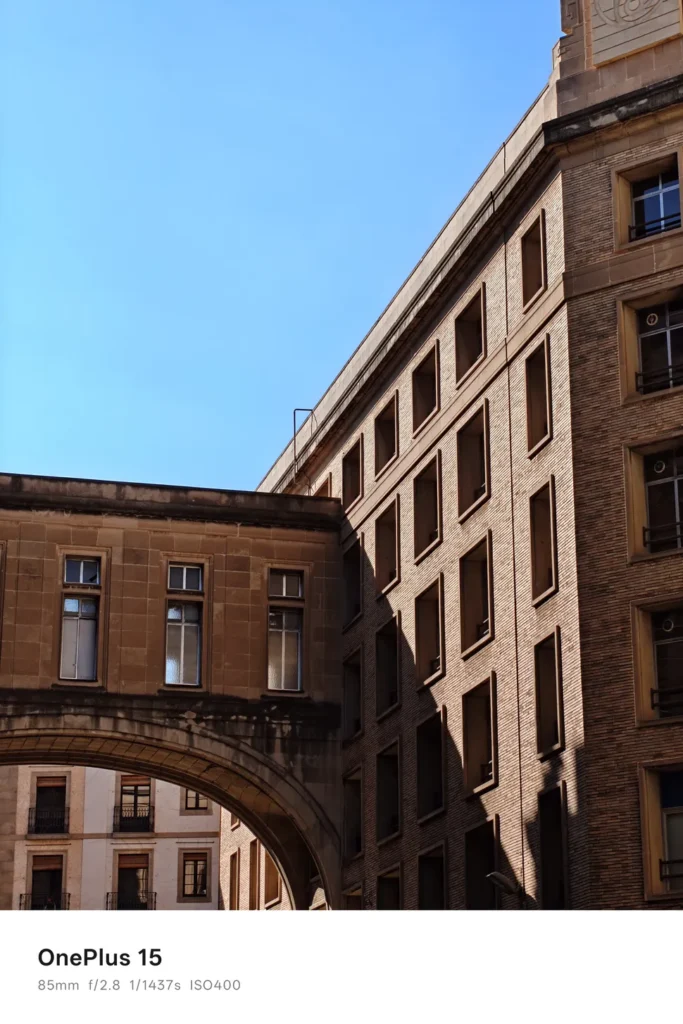
On the back of the phone, the three 50, megapixel cameras (normal, ultrawide, and telephoto) are good and dependable, capturing sharp details and accurate color reproductions in normal lighting. But, in spite of the introduction of the new “DetailMax” engine, which signifies OnePlus’ break from its previous collaboration with Hasselblad, the enhancements are more of a smaller change rather than a big one.
The power reserve is what really draws the attention: the 7, 300 mAh battery can easily hold a heavy day’s use and can be extended to a second day if used lightly, and the SuperVOOC charging method (120 W wired / 50 W wireless) is only for a short time.
| Aspect | Description | Rating |
|---|---|---|
| Features | New design language looks much cleaner with great color choices. The decision to move the cameras into a square island looks a little familiar, but it makes a big difference for holding the phone without getting fingerprints on the lenses. | 4.5 |
| Design | Solid camera system with great sharpness, colors, and consistency between the lenses – although there is not the generational leap I hoped to see from the hyped-up new DetailMax image engine. | 4 |
| Performance | Blazingly fast, you might not feel the full benefits as a photographer, but if you also like to game, then the OnePlus 15 has you covered. Battery life is also outstanding, with over a day’s power, you won’t be rushing to the charger every evening. | 5 |
| Value | For the latest processing power, long-running battery, and solid camera system – it’s great value. Undercuts the launch prices of flagships from rival brands, but older rival Pro and Ultra phones are starting to see discounts. | 4.5 |
How to choose the best camera phone
Choosing between an Android and an iPhone is the first thing you should figure out.
It mainly depends on what extent you use Apple services like iMessage, iCloud, or even Apple’s Notes app. If you really can’t live without them, then an iPhone is definitely the way to go. Picking which one just depends on whether you want a large or a medium, sized phone, how crazy you need the cameras to be, and how much money you want to throw away. Our overall camera review scores are all very close and high for Apple’s cameras, the iPhone 16 Pro Max being the best and the most affordable iPhone 16 model the lowest one.
If you are not using Apple services (or can live without them), then an Android phone might be worth a glance. There are almost no limits to your choices here and you can even pick the latest devices such as folding phones. Currently, the two best Android phones for photography are probably the Google Pixel 9 Pro / 9 Pro XL and Samsung Galaxy S24 Ultra.
Google also ships more of its own services as a default like Google Photos and the wonderful Google Pixel camera. Likewise, Samsung has its own set of Samsung apps that serve the same functions but in their own way. Therefore, select the phone and apps whose design attract you the most.
What’s the best camera phone?
When it comes to the top camera phone for photos, the Google Pixel 9 Pro / 9 Pro XL is definitely the one to have, but in case you are more into videos, the Apple iPhone 16 Pro Max is still the ultimate best.
Which is better, Apple iOS or Android?
Such a question has been and probably will be debated forever. To be honest, they are both great operating systems, which offer almost the same functionalities, only the methods of doing it are slightly different and both have almost all the apps that you might use. The point is which one of the two looks better, so the answer is simply the one whose looks you like more and would therefore use day, to, day without fail.
How we test camera phones
In my role as a Reviews Editor at a photography website, I am very much focused on the image and video quality of camera phones. I judge resolution, noise, and color rendition to be the main factors and compare them to what other camera phones can deliver. If there are any special features like night modes or portrait modes, we verify that these functionalities work as the manufacturers claim. Besides this, we also see what features the phone might have for displaying and editing photos and videos.
Camera phones are fantastic all, around digital helpers, so we also assess how clever the operating system is for general daily usage. To sum up, we consider phone usability and practicality for instance, design, screen, ports, and battery life.
Why you can trust UniqueZ
☑️ Over two thousand products tested and reviewed
📷 5 years of experience testing phones, camera gear, and accessories
👥 Team of knowledgeable and passionate reviewers who love photography
✖️ Reviews and guides are unbiased – and never influenced by brands